Understanding the Importance of Water Conservation
Water is one of our planet's most precious resources, yet it is often taken for granted. With increasing population growth, climate change, and pollution, the demand for clean water is rising while the supply is dwindling. Understanding the importance of water conservation is crucial for ensuring a sustainable future for ourselves and generations to come. This blog post will explore the significance of conserving water, practical methods to do so, and the broader implications of our water usage.
The Current State of Water Resources
Global Water Scarcity
According to the United Nations, over 2 billion people live in countries experiencing water stress. This scarcity is not just a problem for developing nations; even in developed countries, water shortages can occur due to droughts, over-extraction, and pollution. The World Resources Institute has identified areas around the globe that are at high risk for water shortages, including parts of the United States, India, and the Middle East.
The Impact of Climate Change
Climate change exacerbates water scarcity. Rising temperatures lead to increased evaporation rates, altering precipitation patterns and causing more extreme weather events. For instance, regions that once enjoyed consistent rainfall may face prolonged droughts, while others may experience flooding. This unpredictability makes it even more essential to conserve water.
Why Water Conservation Matters
Environmental Benefits
Conserving water helps protect our ecosystems. Freshwater habitats, such as rivers and lakes, are vital for countless species. When we use water irresponsibly, we risk depleting these habitats, leading to loss of biodiversity. By conserving water, we can help maintain the delicate balance of our ecosystems.
Economic Advantages
Water conservation can also lead to significant economic benefits. Reducing water usage lowers utility bills for households and businesses. Additionally, less water consumption means reduced energy costs associated with water heating and treatment. For example, a family that reduces its water usage by 20% can save hundreds of dollars annually.
Social Responsibility
Water is a basic human right, yet millions lack access to clean water. By conserving water, we contribute to a more equitable distribution of this essential resource. Every drop saved can help ensure that others have access to clean drinking water, sanitation, and hygiene.
Practical Ways to Conserve Water
In the Home
Fix Leaks: A dripping faucet can waste gallons of water each day. Regularly check for leaks in your plumbing and repair them promptly.
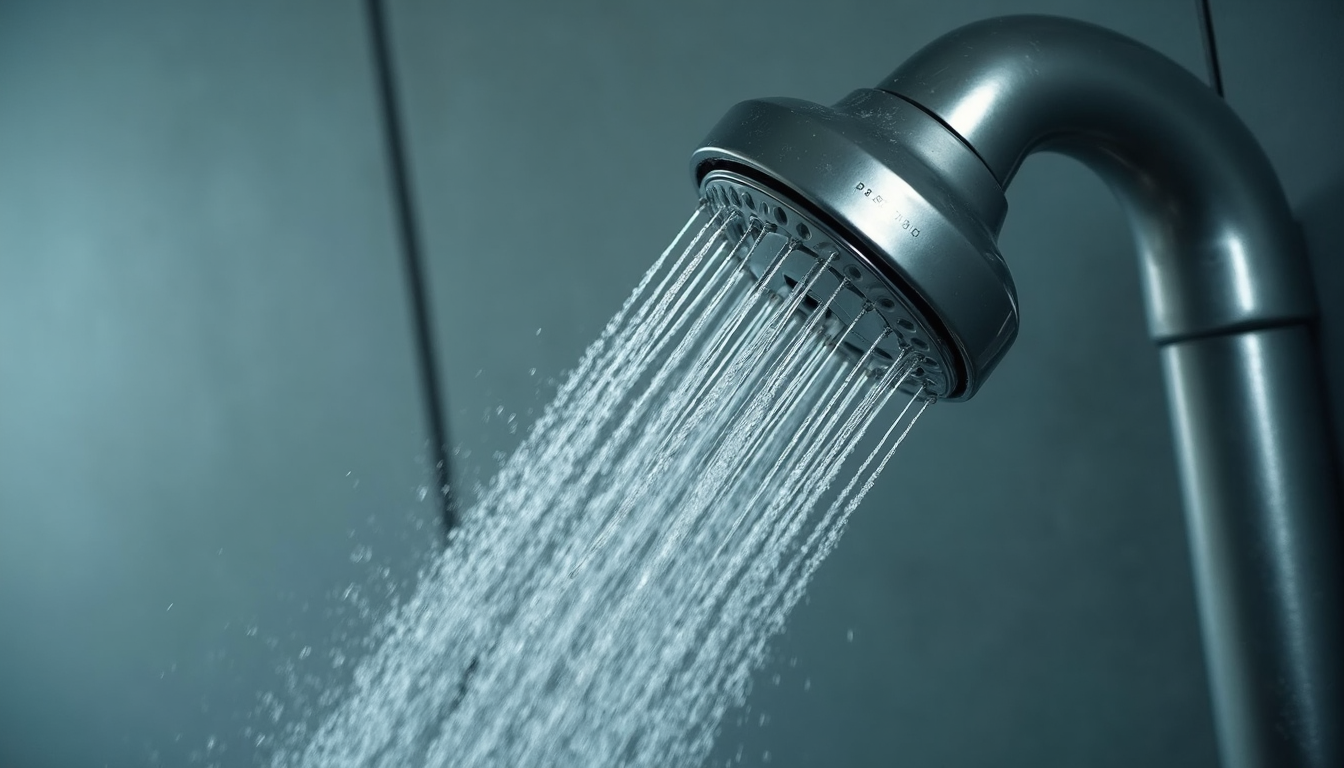
Install Water-Saving Fixtures: Low-flow showerheads and faucets can significantly reduce water usage without sacrificing performance. Toilets that use less water per flush can also make a big difference.
Shorten Showers: Reducing shower time by just a few minutes can save gallons of water each week. Consider using a timer to help keep track.
Turn Off the Tap: Don’t let the water run while brushing your teeth or washing dishes. Turning off the tap can save a surprising amount of water.
In the Garden
Choose Native Plants: Native plants are adapted to local climates and require less water. They are also more resilient to pests and diseases.
Use Mulch: Applying mulch around plants helps retain moisture in the soil, reducing the need for frequent watering.
Water Wisely: Water your garden early in the morning or late in the evening to minimize evaporation. Consider using drip irrigation systems that deliver water directly to the roots.
Collect Rainwater: Installing rain barrels can help you collect rainwater for use in your garden. This not only conserves water but also reduces runoff and erosion.
In the Community
Advocate for Water Conservation Policies: Support local initiatives that promote water conservation, such as community education programs and infrastructure improvements.
Participate in Clean-Up Efforts: Keeping local waterways clean helps protect water quality and ensures that our water resources remain safe and usable.
Educate Others: Share your knowledge about water conservation with friends, family, and neighbors. The more people understand the importance of saving water, the greater the impact we can have.
The Role of Technology in Water Conservation
Smart Water Meters
Smart water meters can help households monitor their water usage in real-time. By providing detailed insights into consumption patterns, these devices encourage users to adopt more sustainable habits.
Water Recycling Systems
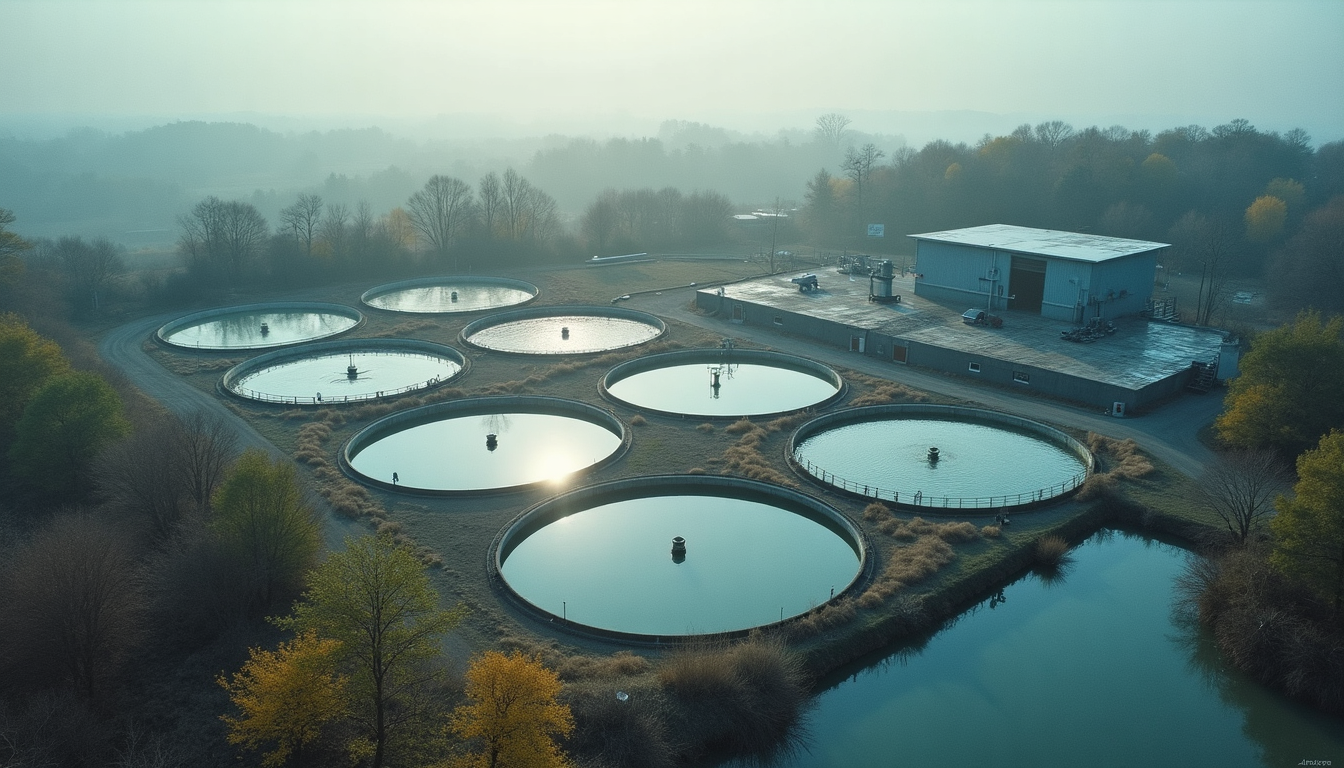
Innovative water recycling systems allow households and businesses to reuse greywater from sinks, showers, and washing machines for irrigation and other non-potable uses. This technology can significantly reduce overall water consumption.
Advanced Irrigation Techniques
Modern irrigation systems, such as smart sprinklers, can adjust watering schedules based on weather conditions and soil moisture levels. This ensures that plants receive the right amount of water without waste.
The Future of Water Conservation
Education and Awareness
Raising awareness about water conservation is essential for fostering a culture of sustainability. Schools, community organizations, and governments can play a vital role in educating the public about the importance of saving water.
Policy Changes
Governments must implement policies that promote water conservation. This includes investing in infrastructure to reduce leaks in municipal water systems, incentivizing water-saving technologies, and enforcing regulations on water usage.
Community Engagement
Community involvement is crucial for successful water conservation efforts. Local initiatives, such as tree planting events or water conservation workshops, can engage residents and foster a sense of responsibility toward water resources.
Conclusion
Water conservation is not just an individual responsibility; it is a collective effort that requires the participation of everyone. By understanding the importance of conserving water and implementing practical strategies, we can protect this vital resource for future generations. Remember, every drop counts. Start making small changes today, and encourage others to do the same. Together, we can create a sustainable future where clean water is available for all.
Comments